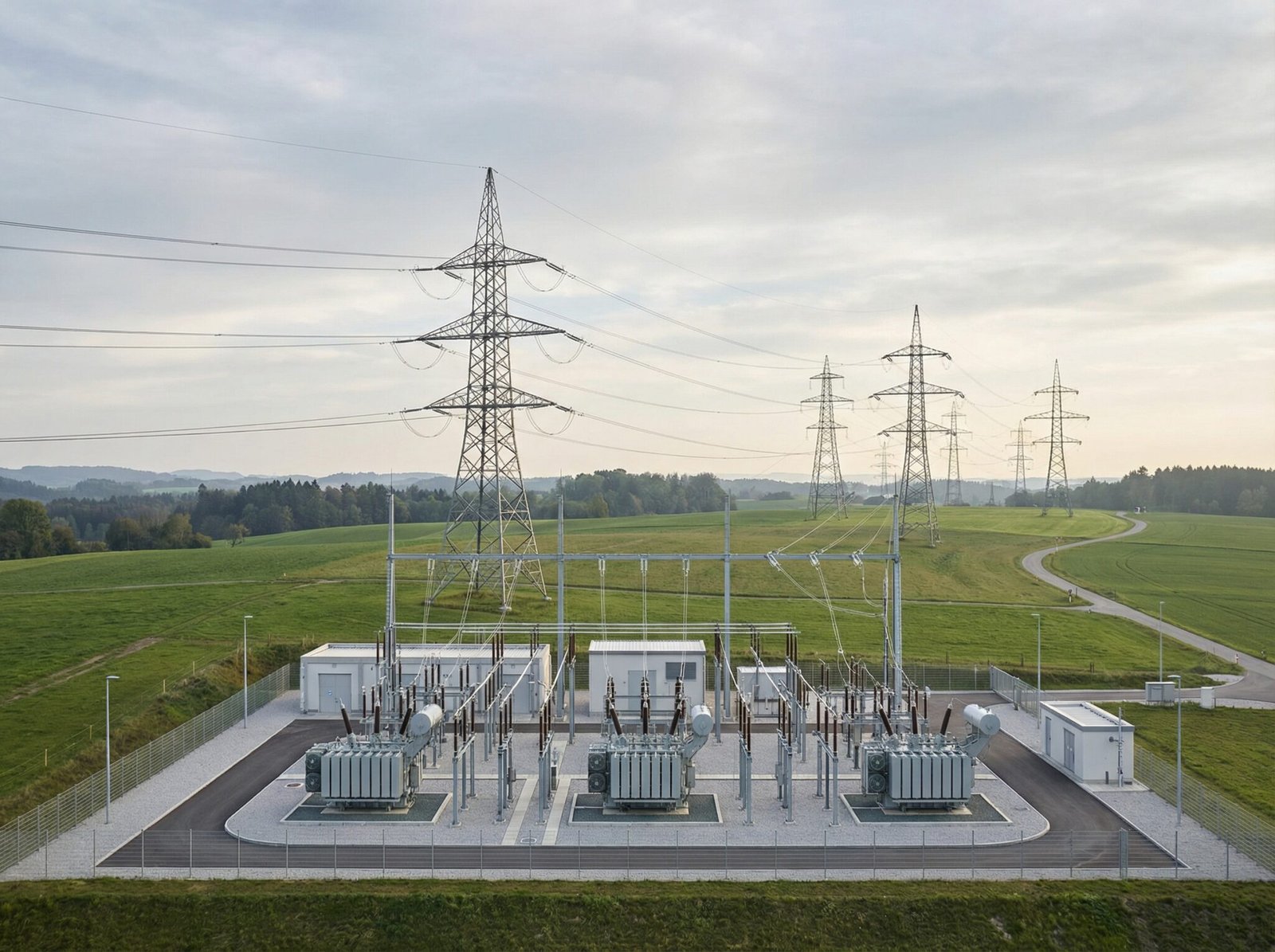
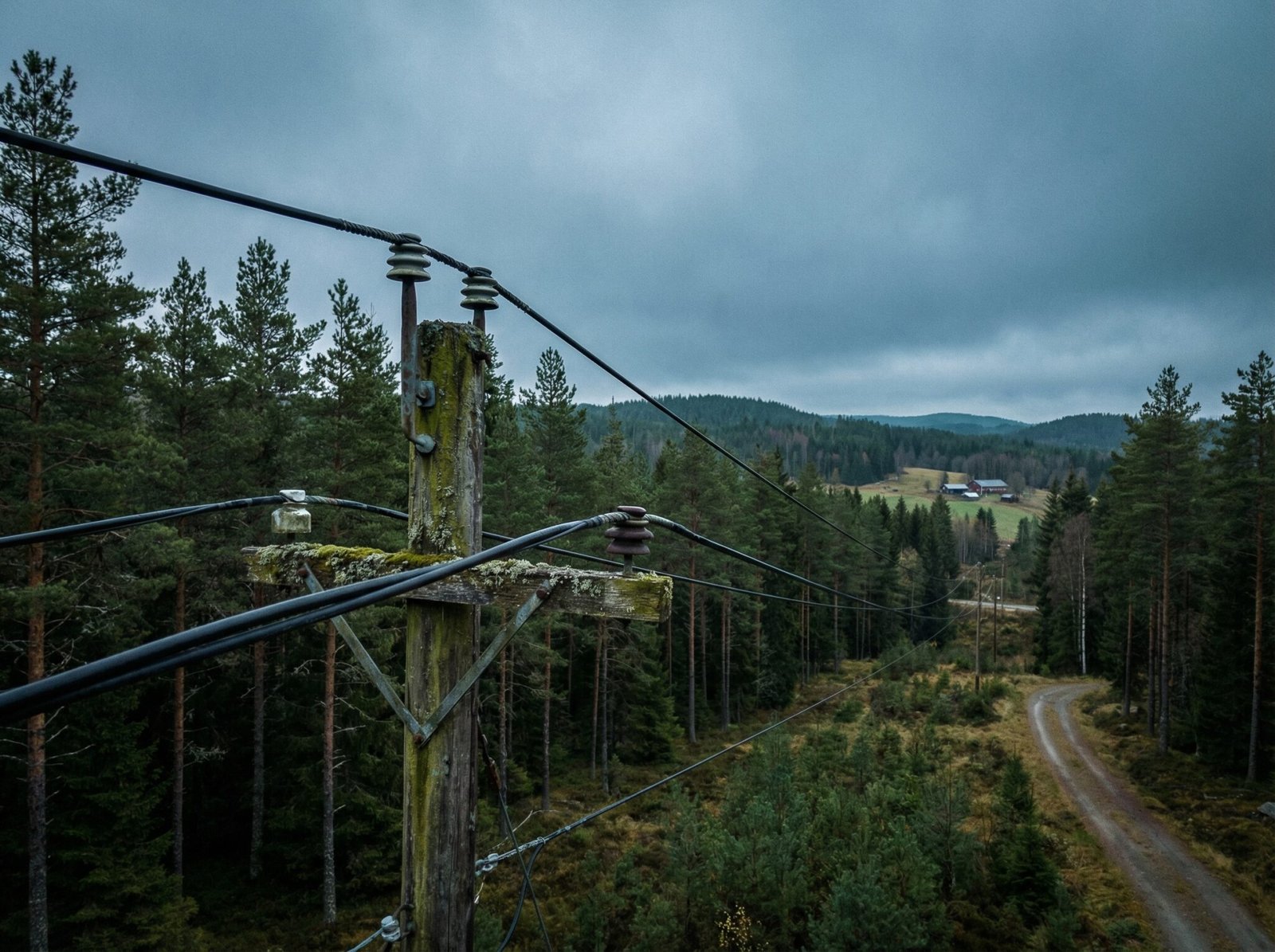
At Distributech conference, a tech session explored how private LTE (pLTE) is redefining utility connectivity across North America. Moderated by Paul Anuszkiewicz, UBBA Board Member and CEO of Palmetto Technology Associates, the session featured Fabien Petitgrand (CTO of Ubiik), along with Electricity Canada representatives Rod Doornbosch (Fortis Alberta) and Sol Lancashire (BC Hydro). Together, they discussed the transformative potential of Band 111 (1.8 GHz) for Canadian utilities, highlighted real-world pilot programs, and addressed the urgency of building a future-proof LTE ecosystem to support applications like wildfire detection, AMI, and remote grid monitoring.
What are the challenges faced by Canadian utilities? Why is LTE the answer?
For many Canadian utilities, affordability, reliability, and secure connectivity are considered vital. Especially as they face mounting pressure to deliver on national goals like electrification and carbon reduction. As Sol Lancashire of BC Hydro noted, publicly owned utilities must pursue these ambitious initiatives while keeping costs low for the average Canadian. However, these transformations can’t succeed without a resilient communications infrastructure. Public cellular networks often lack the reach or reliability needed in remote and rural areas, which is why private LTE networks are rapidly becoming essential. Offering dedicated bandwidth, lower latency, and greater flexibility, private LTE network empowers utilities to support critical applications such as grid automation, smart metering, wildfire detection, and disaster recovery. “The network is no longer just support infrastructure—it’s a strategic asset at the core of a modern, intelligent grid,” said Sol Lancashire.
Why band 111 (1.8GHz) matters?
When Canada gained access to 30 MHz of spectrum in the 1.8 GHz range (Band 111), there was little to no commercial hardware to support it. However, Rod Doornbosch of Fortis Alberta highlighted that this lack of hardware wasn’t a setback, it was a rare opportunity to build a network tailored for the future of utility operations. Originally sourced from underutilized microwave bands, Band 111 offers compact antenna sizes, reliable line-of-sight performance, and easy integration into small devices, making it a perfect fit for modern utility needs. Utilities are now embedding LTE antennas directly into smart meters, sensors, and field devices, enabling reliable communication in remote, rugged locations. As data demands rise—especially for wildfire risk monitoring, distributed energy resources (DERs), and small substations—the ability to rely on a dedicated, high-performance spectrum like Band 111 becomes mission-critical. At BC Hydro, use cases include portable generation units, remote substations, and sensor-based monitoring for snowpack, landslide zones, and fire-prone areas, demonstrating how this band enables high-performance communication without relying on commercial networks.
How Ubiik can help?
Ubiik’s goRAN™, a 3GPP-compliant LTE base station that now supports Band 111, enabling utilities to deploy private LTE within this spectrum. A current pilot with BC Hydro combines goRAN™ and freeRAN™ base stations, demonstrating how utilities can use both licensed and license-free bands to optimize performance and cost.